NEWS
"JOINT MIND AND ROADMAP WORKSHOP" HELD. "WE MUST PREPARE ESKİŞEHİR AS A RESILIENT CITY FOR THE FUTURE"
Organized in collaboration with the Eskişehir Metropolitan Municipality and the Eskişehir City Council, the "Joint Mind and Roadmap Workshop" became a comprehensive gathering that shed light on the city's future. With the ideas that emerge from here, we must determine our city's roadmap guided by the commitment of municipalities and public institutions to science, professional chambers, and practitioners, and take action without losing time. We must build a resilient Eskişehir for the future.
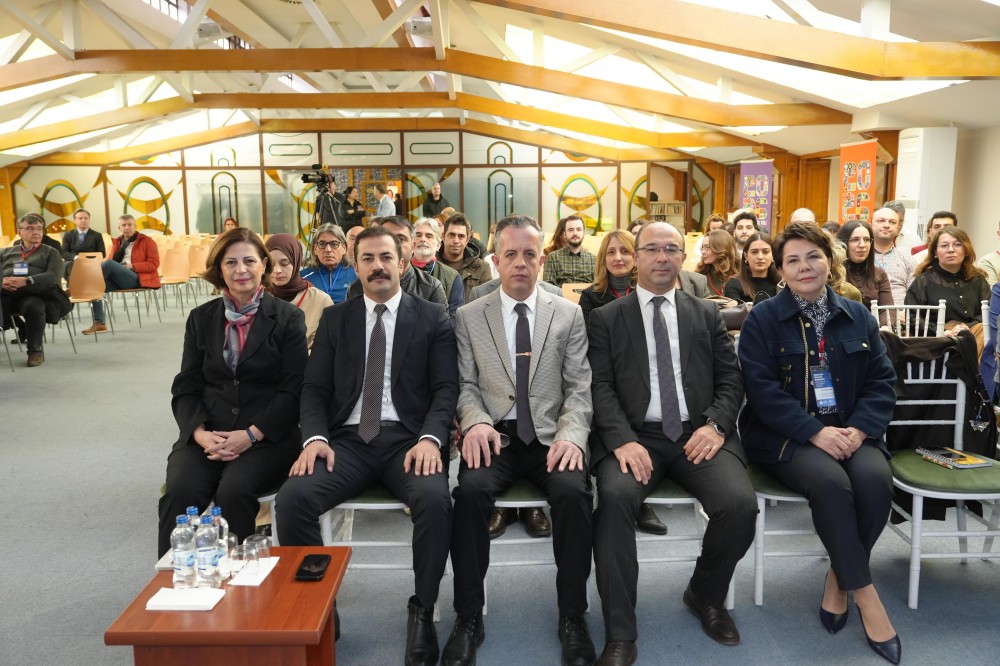
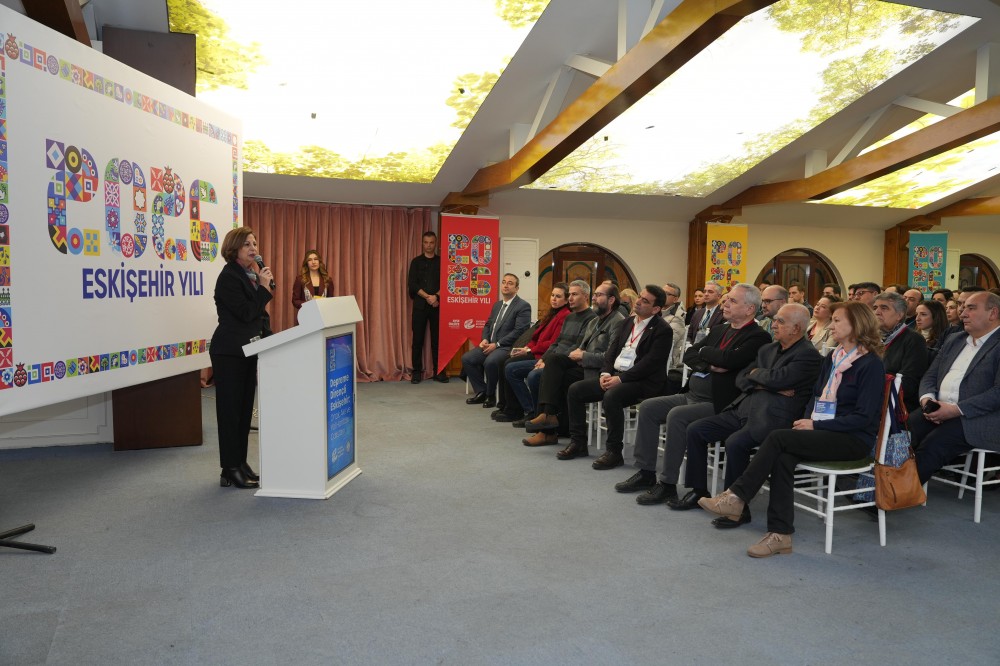
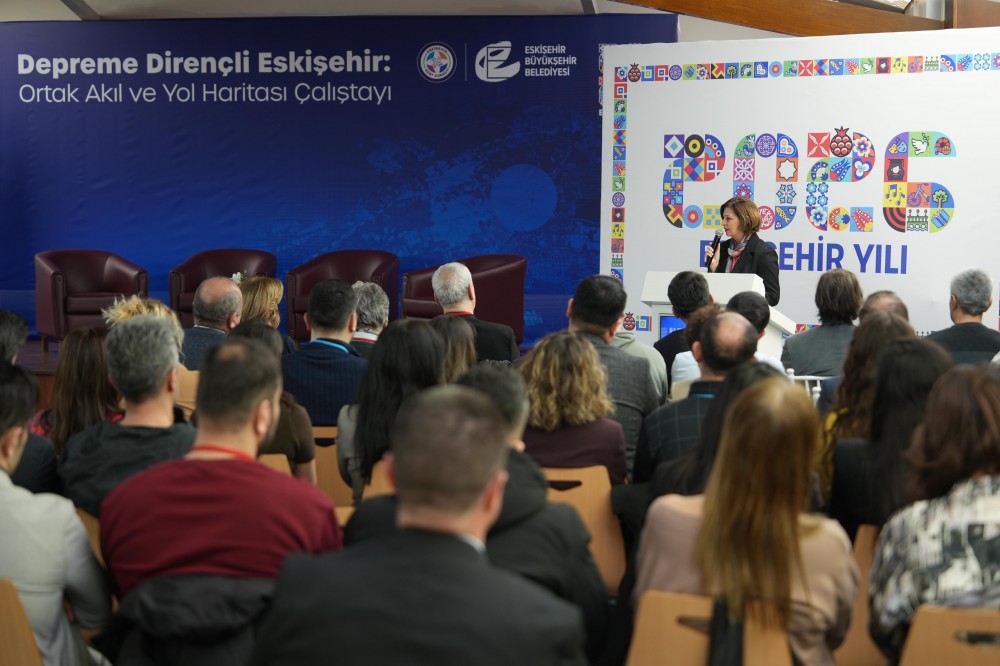
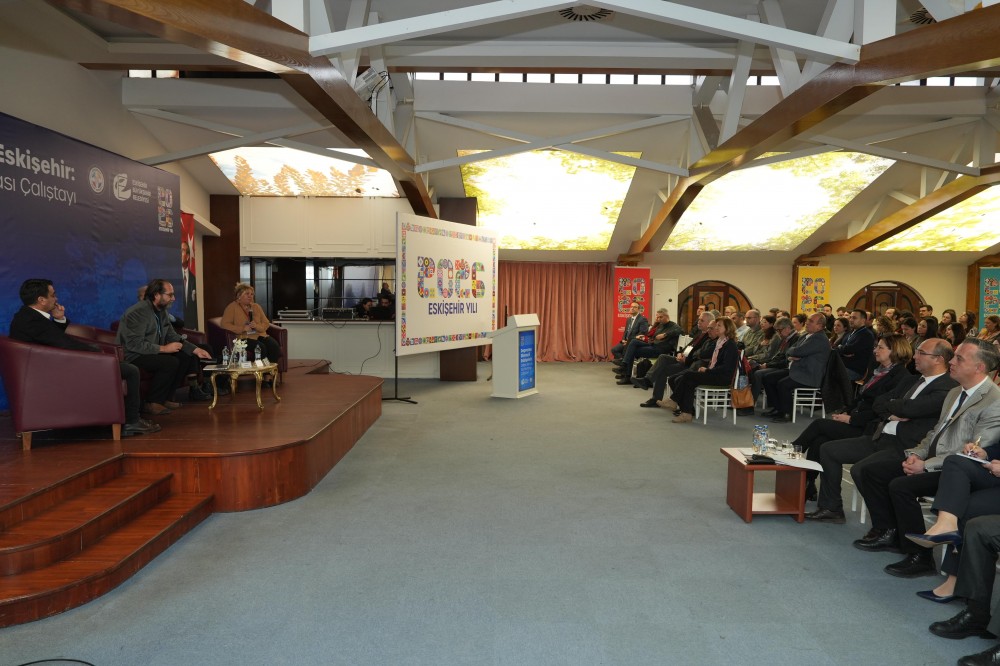
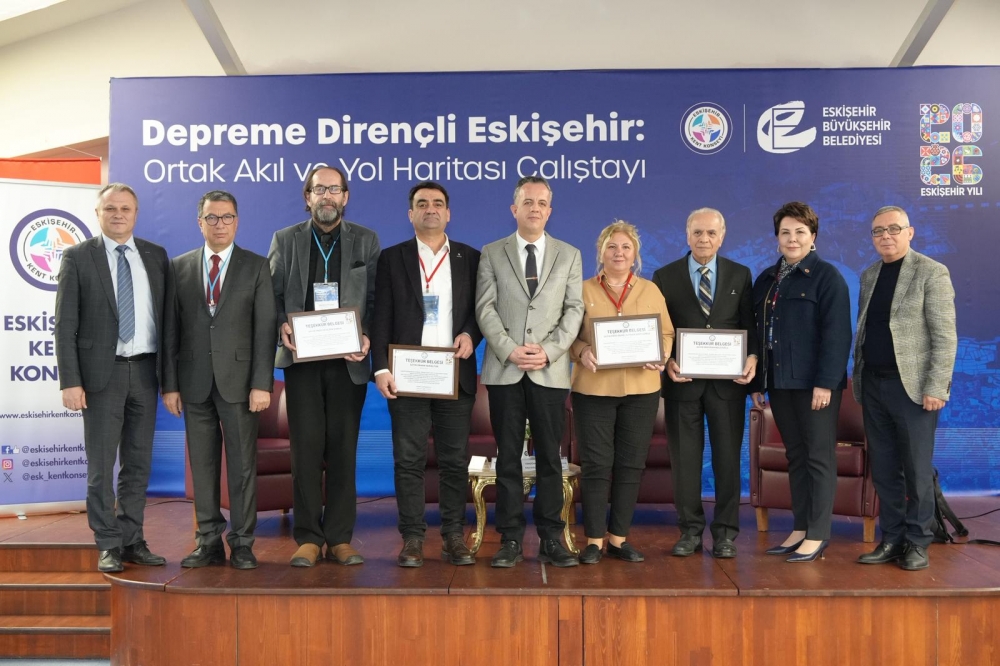
The workshop, held at the Haller Youth Center, was attended by Metropolitan Mayor Ayşe Ünlüce; Talat Yalaz, Provincial Chair of the Republican People's Party (CHP); Uğur Tepe, Mayor of Seyitgazi; Ahmet Kapanoğlu, President of the Eskişehir City Council; council members, representatives of non-governmental organizations, heads of professional chambers, municipal bureaucrats, and many invited guests.
"WE HAVE NO TIME TO LOSE"
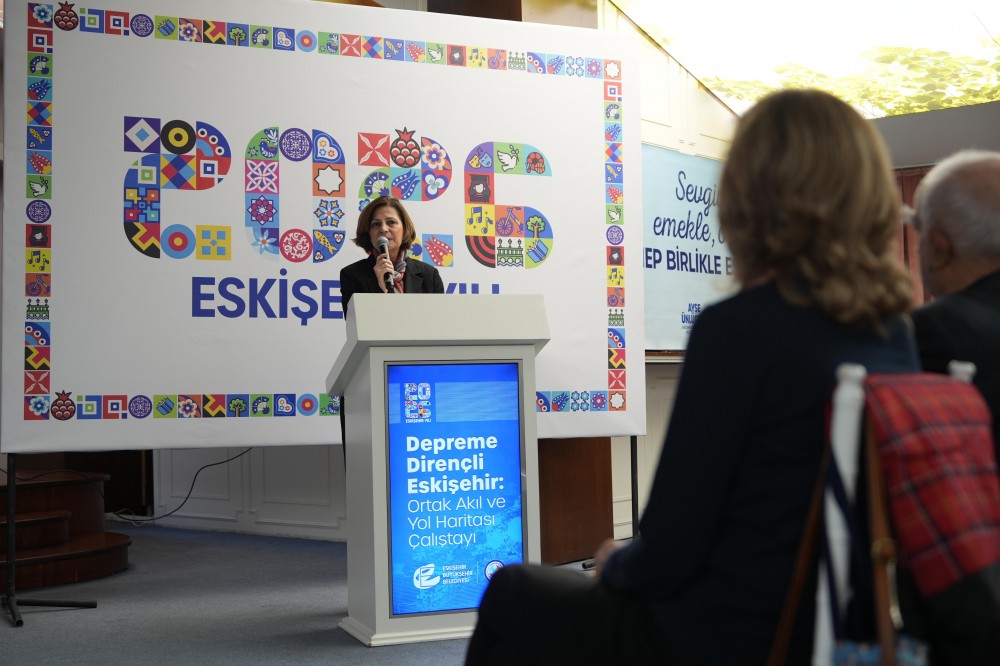
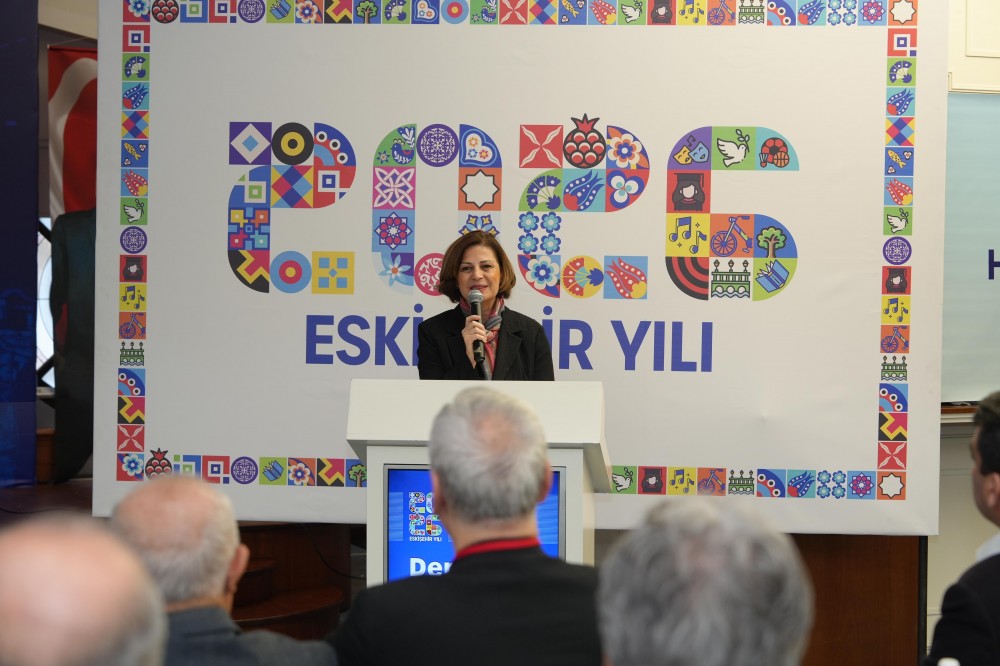
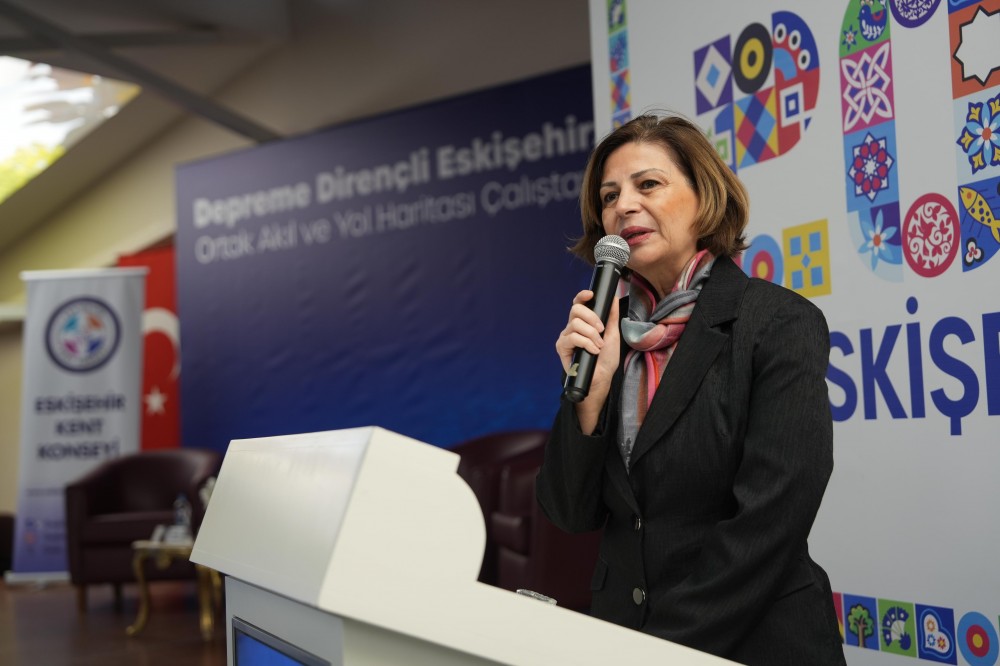
In her speech, Metropolitan Mayor Ayşe Ünlüce emphasized that urban development is not merely about physical transformation and stated the following:
"A strong risk management strategy before an earthquake and effective crisis management after an earthquake are crucial. However, it is clear that if we fail to properly manage the risks beforehand, we will be unable to manage the crisis effectively afterward. In Eskişehir, both municipalities and public institutions have declared urban transformation areas on a site-specific basis to date. However, at the point we have reached today, no significant progress has been achieved in the urban transformation areas declared by the Ministry, neither in Gündoğdu nor in Küçük Sanayi. No tangible progress has been made either in the Metropolitan Municipality's large-scale area covering eight neighborhoods. Due to institutions failing to take adequate action or because of lawsuits filed, the processes have reached a deadlock.
As you know, our urban transformation efforts are currently underway with Porsuk 1 and Porsuk 2 Projects. The urban transformation area in Gündoğdu, which belongs to our Metropolitan Municipality, is entirely under our responsibility. In the Porsuk 1-2 region, we completed the zoning plan, and the process is progressing as investors and property owners reach agreements. In Gündoğdu, we also prepared the zoning plan, obtained high-consent approvals from property owners, and continue our work. As you know, there were 60 housing units in that area. Recently, the tender for 111 housing units, 4 commercial spaces, and a nursery has been finalized, and construction has begun. Additionally, a large-scale project of over 800 housing units will be implemented on the area opposite the Tax Office. But is this enough? Certainly not. Since 1999, many new buildings have been constructed in Eskişehir. In terms of new building stock, our current situation is relatively good. However, in the studies we conducted with the Chamber of Civil Engineers, 52,000 buildings were quickly examined, revealing a rather concerning picture. I would like to thank both our former mayors and our current administration. Approximately 5,000 buildings need to undergo rapid transformation, and another 10,000 buildings require urgent attention. In addition, there are many buildings that may be damaged. We have no more time to lose.''
Thanking everyone who attended the workshop and emphasizing its importance, Mayor Ayşe Ünlüce stated: "Following today's discussions, the roadmap for preparing Eskişehir's urban transformation strategy will be determined. That is why today is truly a historic day. Meetings may take a long time, but we would greatly appreciate your contributions throughout the day. We need every voice and every opinion here. I thank you again for your participation. I hope today will mark a turning point in Eskişehir's urban transformation. Building on the ideas that emerge here, we must chart our city's roadmap in line with the commitment of municipalities and public institutions to science, professional chambers, and practitioners, and act without delay. We must build a resilient Eskişehir for the future. With these thoughts in mind, I welcome you all and want to add that it is wonderful to have you here.With the outcomes of this workshop, we will have taken an important step for the future of our city."
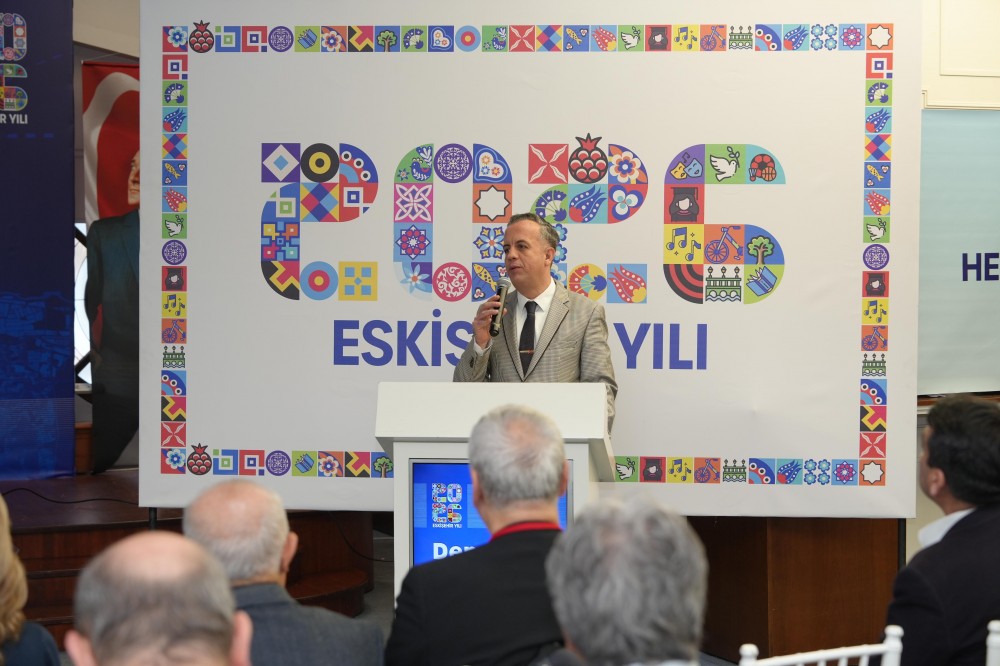
Ahmet Kapanoğlu also highlighted the importance of participation in city governance, stating: "We believe that the outcomes of our workshop will bring new horizons to our city and that Eskişehir will serve as an inspiration nationwide in terms of earthquake-resilient cities. For a more resilient city, we must take collective action without delay. My thanks go to everyone taking responsibility on this path.''
URBAN TRANSFORMATION ADDRESSED
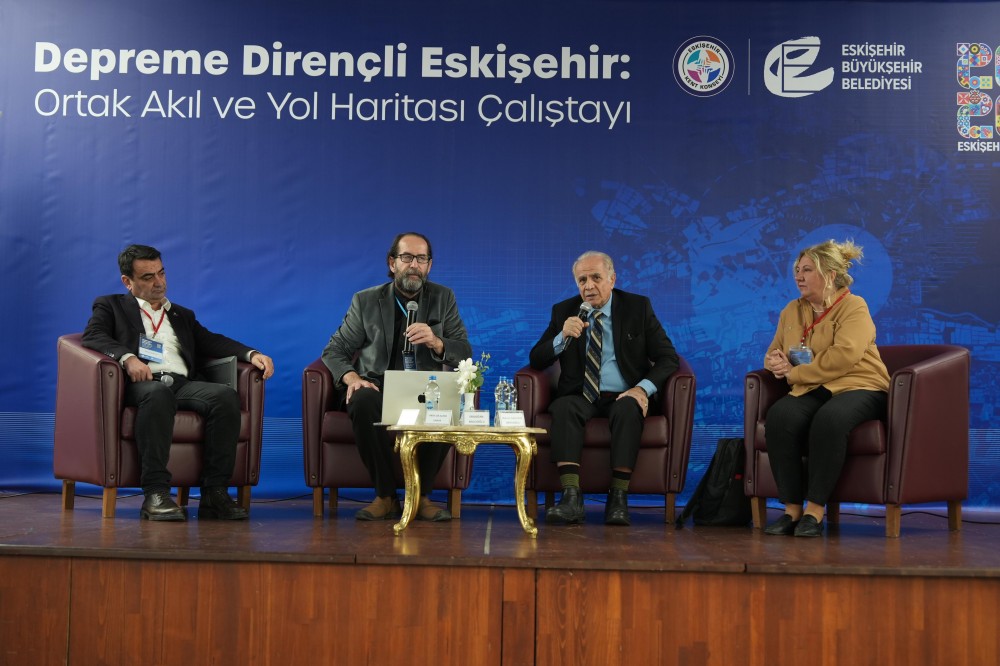
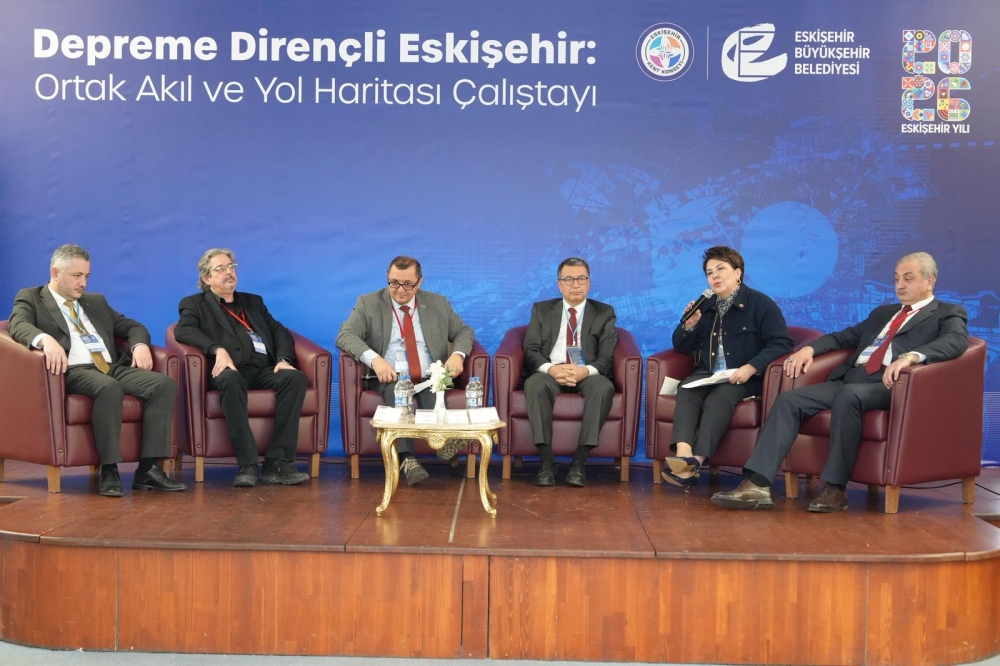
Following the opening speeches, a panel titled "Dimensions and Approaches of Urban Transformation" was held. Moderated by Prof. Dr. Alper Çabuk, the panel featured Prof. Dr. Pelin Pınar Giritlioğlu, Orhan Sarıaltun, and Erdoğan Balcıoğlu, who discussed the technical, social, and economic aspects of urban transformation. The discussion highlighted resilient construction against disasters, planning principles, and sustainable urbanization.
After the panel, participants were provided with detailed information on the Urban Transformation Strategy Document studies.
"WHAT FUTURE FOR ESKİŞEHİR?" QUESTION TAKES CENTER STAGE
In the second part of the day, a panel titled "What Future for Eskişehir?" was held. Moderated by Prof. Dr. Osman Tutal, the panel featured Prof. Dr. Murat Karacasu, Hasan Ünal, İnci Şentuna, Mehmet Gürel, and Orkun Kılıç, who shared their visions for the city's future.
Participants exchanged views on a wide range of topics, from environmental sustainability and transportation planning to social living spaces and the preservation of cultural heritage.
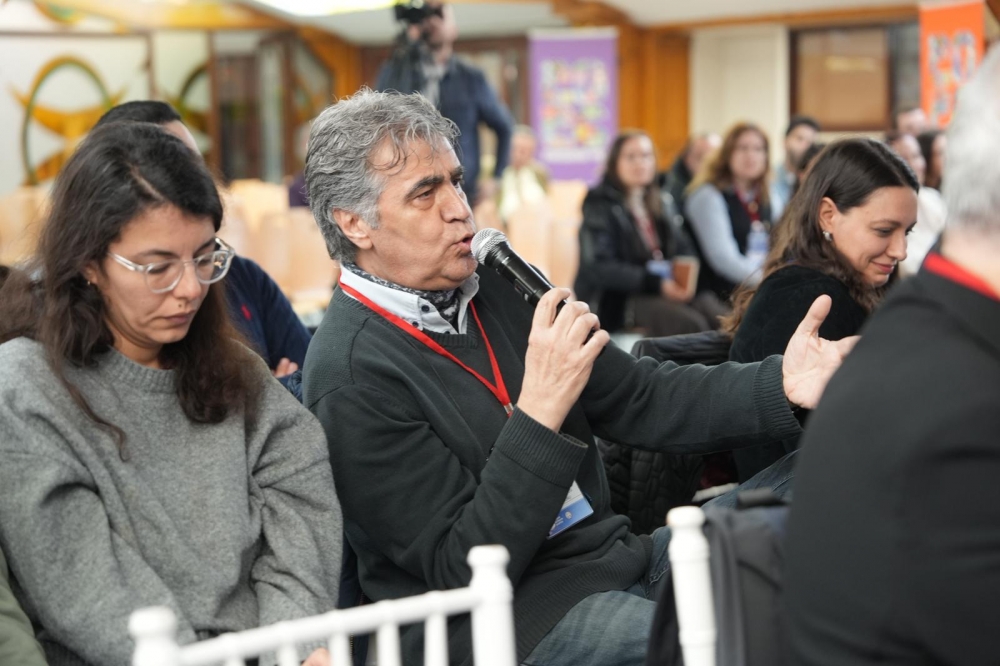
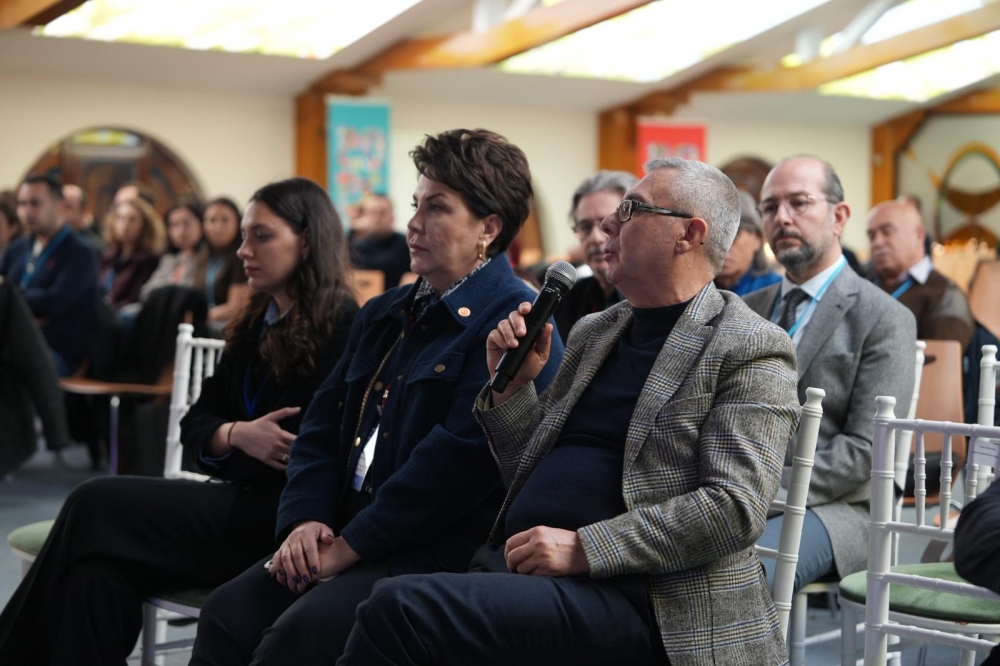
The highly attended workshop concluded with a question-and-answer session, once again emphasizing the goal of building a shared vision and a strong roadmap for Eskişehir's future.